Barrel Project #02 — Flanders Style Red

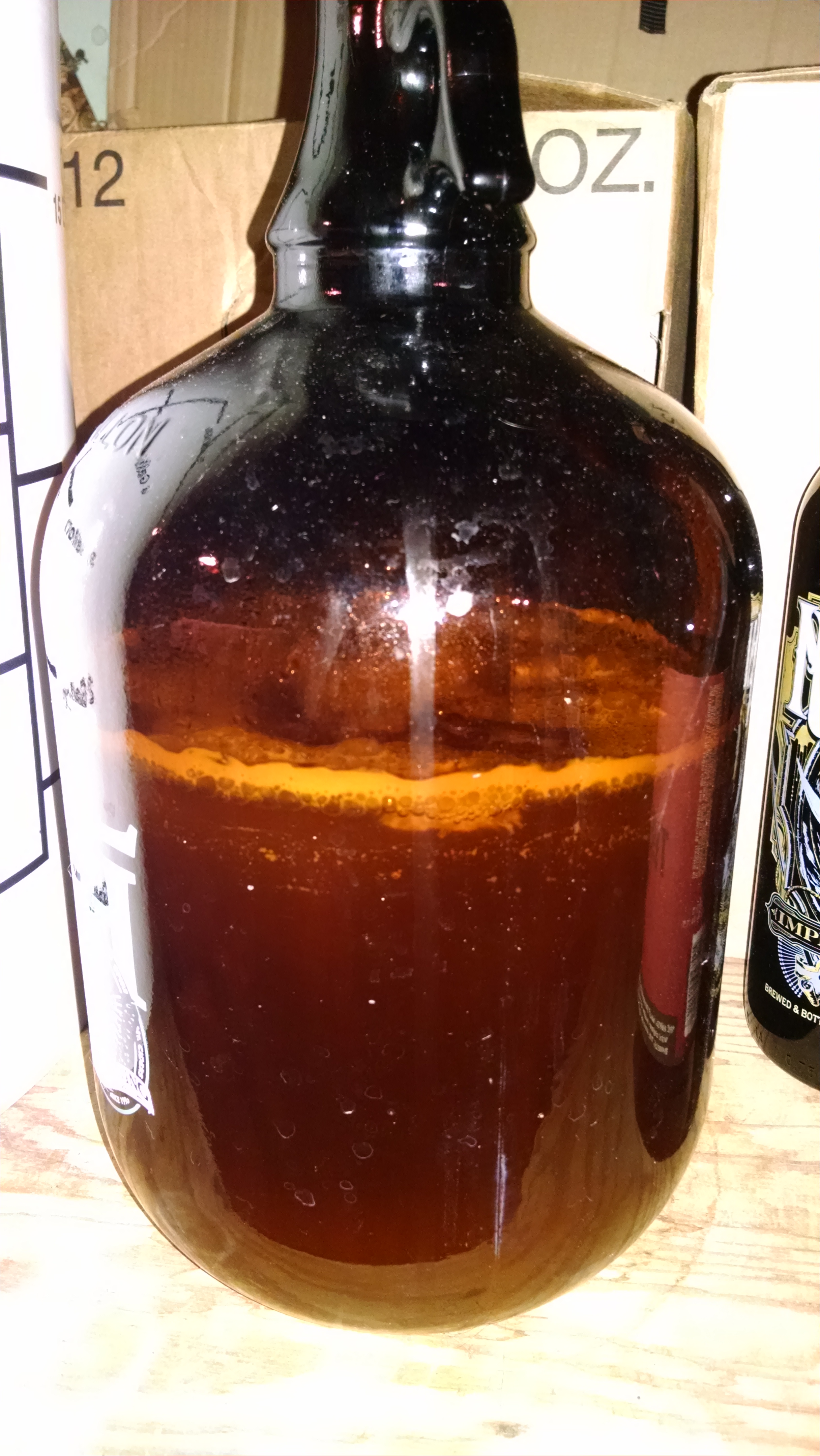
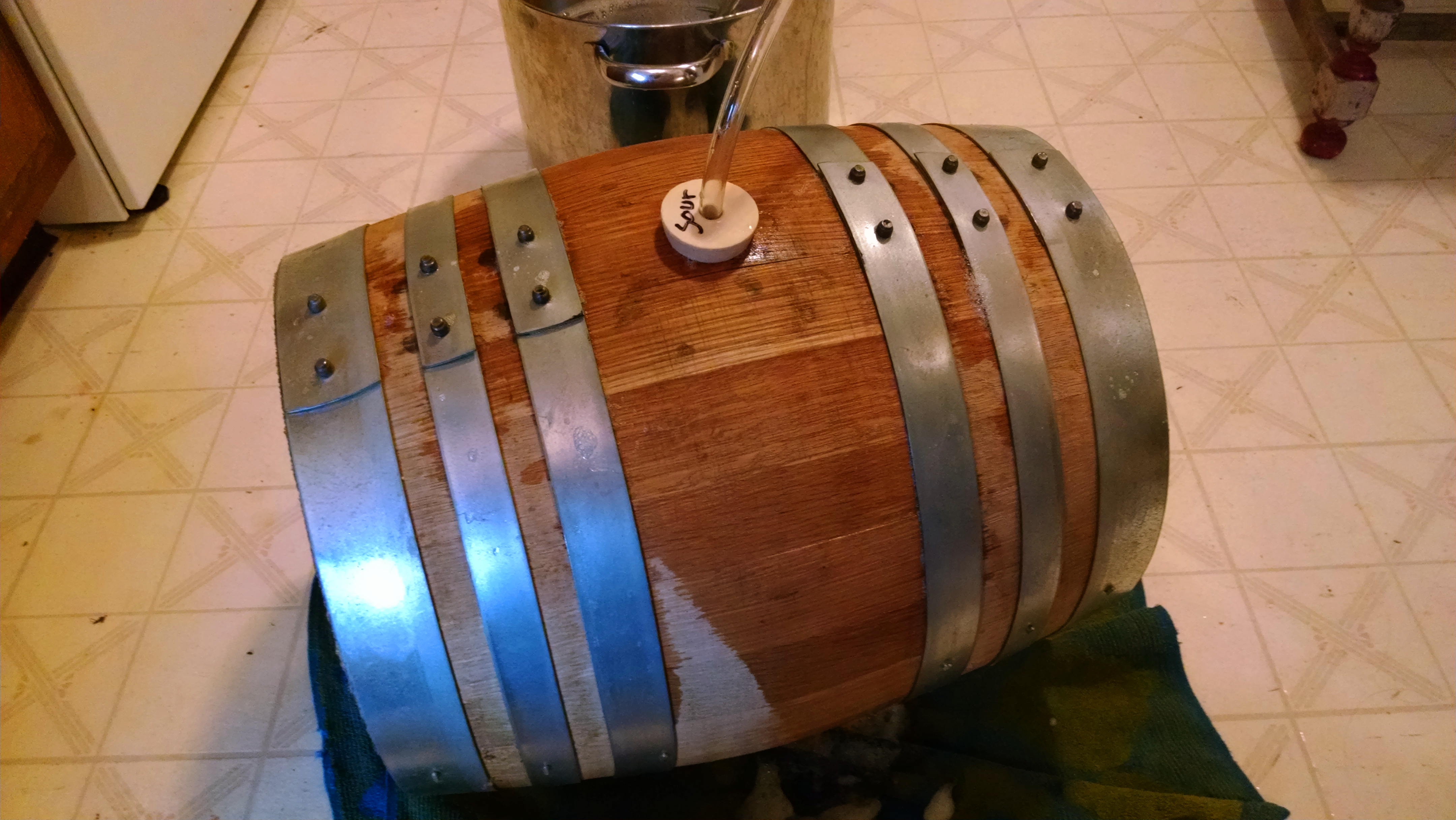
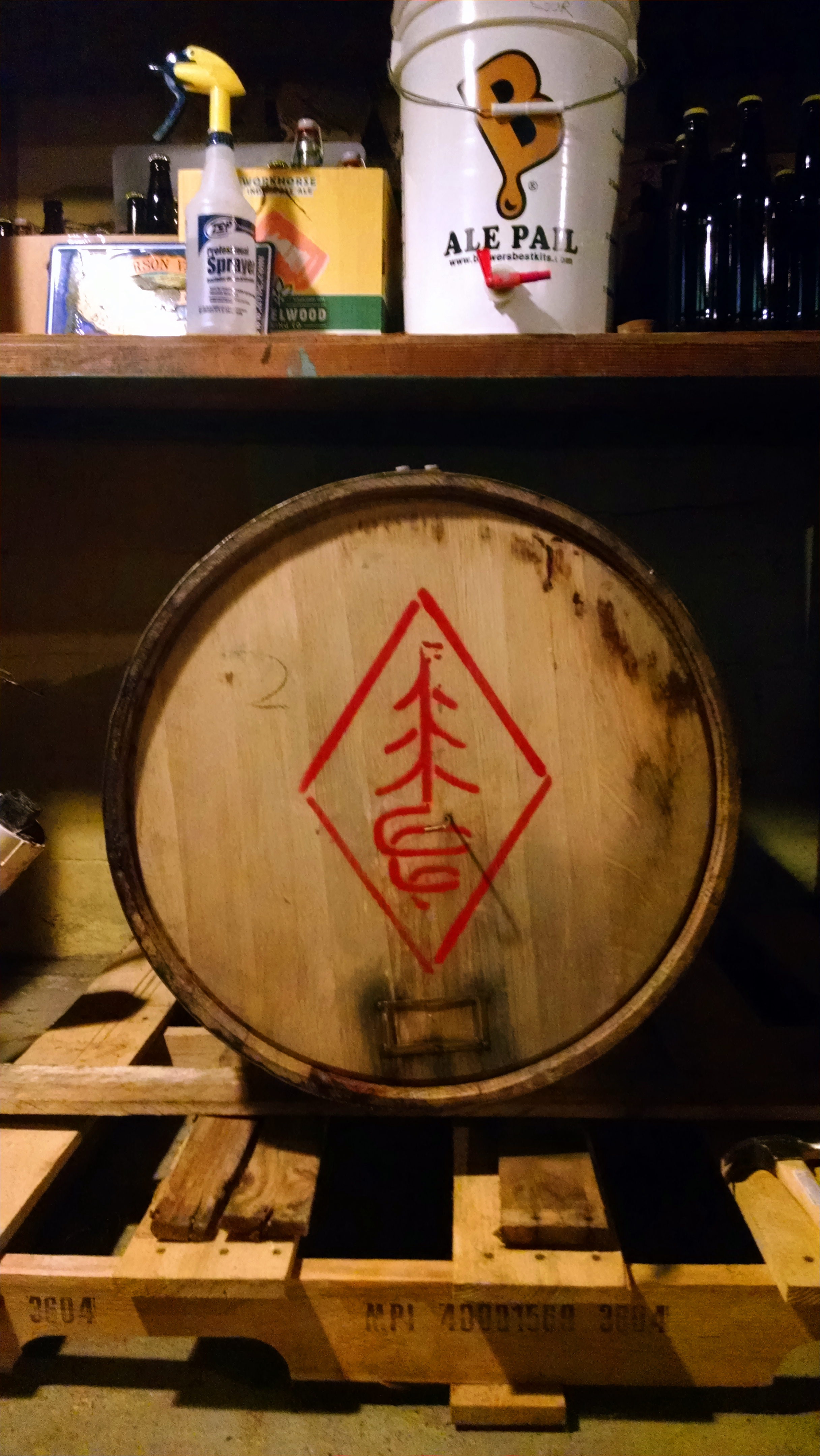
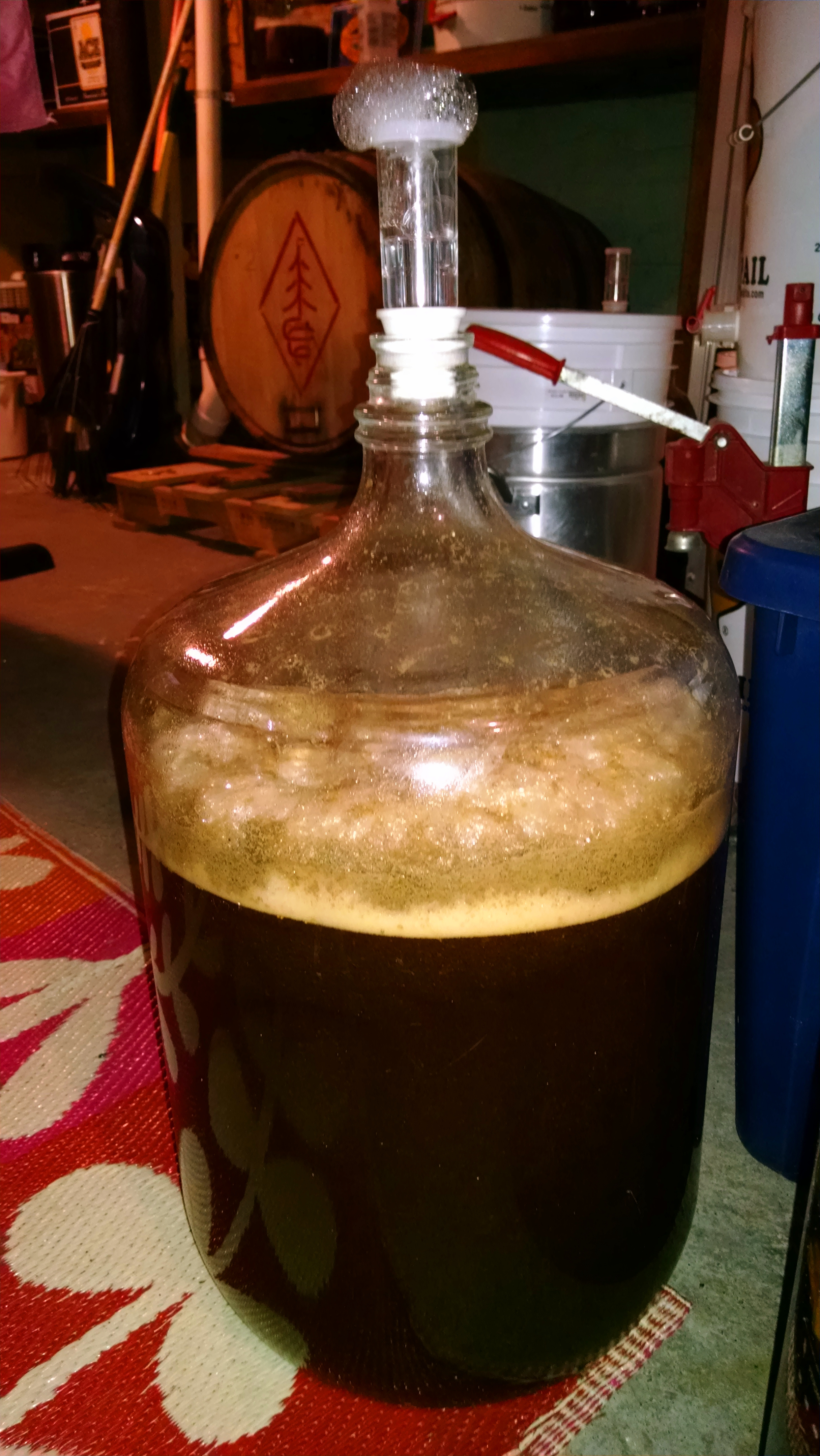
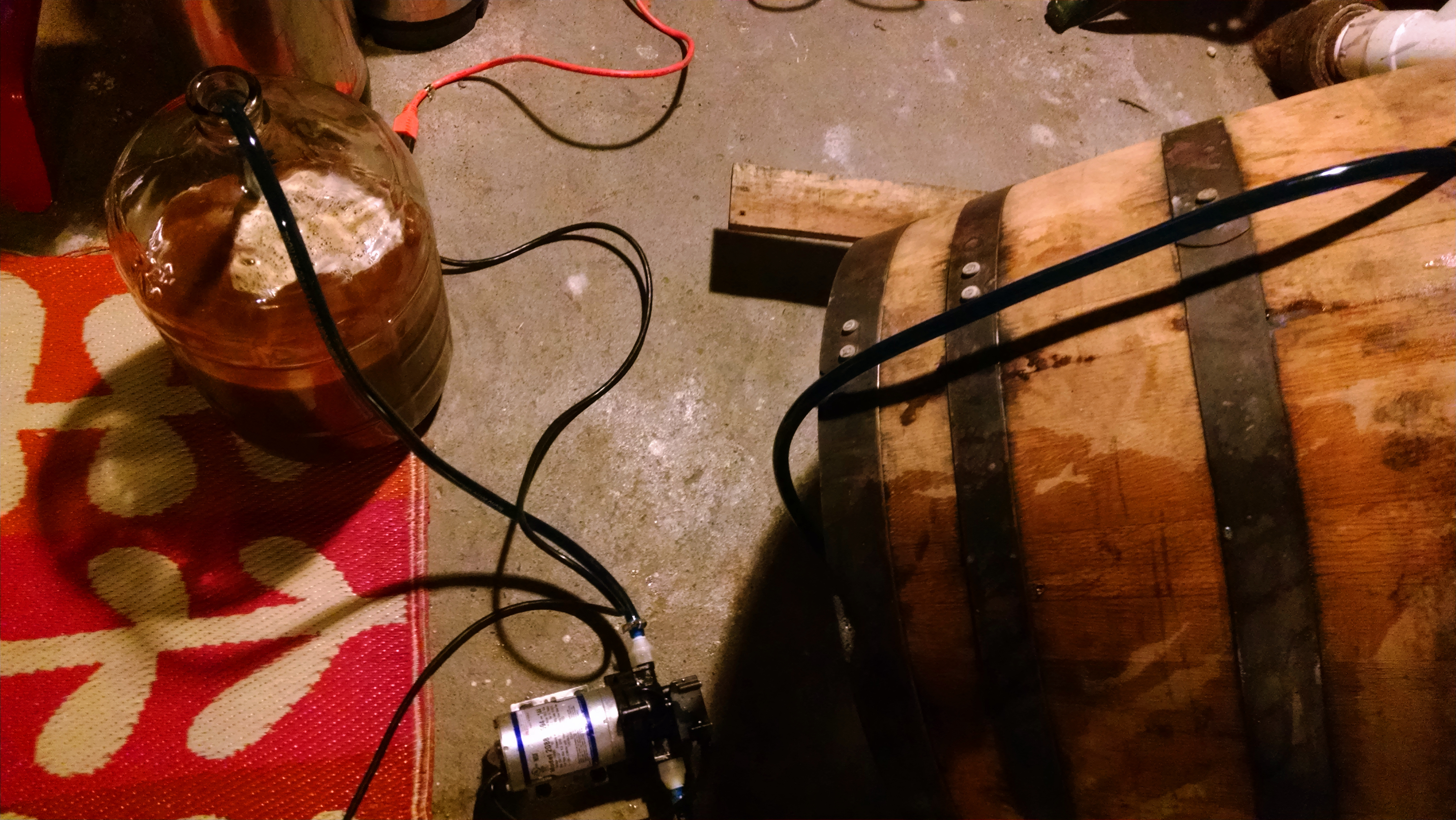
Flanders BatchesJust about a year after it was brewed, our Westland Distillery whiskey barrel aged Flanders Style Red has been removed from the barrel and is tasting wonderful.  This project saw four brewers collaborating on the recipe and brewing approximately fifteen gallons of beer each; we then blended them all into the barrel, souring it with White Labs Flemish Ale Blend WLP665, Wyeast Roeselare Blend 3763, and select bottle dregs from our favorite unpasteurized commercial sours.  We decided to do a couple of batches with a Belgian yeast strain and I included White Labs California V WLP051 in two of my batches.

Before this beer, we did a clean stout in the barrel (see Merry Christmas, It’s Endless Stout) to knock down the whiskey flavors from the freshly dumped barrel.  It worked well as there is now a pleasant hint of whiskey on the nose and far in the background on the palate of the red, lending some subtle nuance and depth.

Gregory and I have two kegs going of the straight Flanders Style Red and plan to put the remainder of our share onto different fruits, spices, and hops.  We’ll bottle condition some of these and keg the rest and I will make a new post detailing the variants as they happen.  I also saved some of the non-barrel aged portion of this sour and blended it with a funky pale ale that I will discuss in a forthcoming post.

This beer turned out great and I am very proud of it!
Flanders BarrelBarrel Project #02 — Flanders

Recipe Specifics

Batch Size (Gal): 5.5
Total Grain (Lbs): 15.75
Anticipated OG: 1.076
Anticipated SRM: 16.0
Anticipated IBU: 10.0
Brewhouse Efficiency: 75%
Wort Boil Time: 90 Minutes

Grain

57% – 9.00 Lbs. US Vienna
19% – 3.00 Lbs. Pilsner
06% – 1.00 Lbs. Flaked Oats
04% — 0.75 Lbs. Special B
04% — 0.75 Lbs. CaraMunich
04% — 0.75 Lbs. Aromatic
03% — 0.50 Lbs. White Wheat

Hops

0.40 oz. Magnum (Pellet, 13.0% AA) @ 30 min.

Extras

1.00 Whirlfloc @ 15 min.
1.00 tsp Yeast Nutrient @ 15 min.

Yeast

White Labs WLP051 – California V Ale Yeast
White Labs WLP665 – Flemish Ale Blend
Wyeast 3763 – Roeselare Blend
Bottle Dregs

Water Profile

Seattle
0.20 tsp Calcium Chloride
0.30 tsp Gypsum

Mash Schedule

Single Infusion – 60 min @ 154F

Notes

06.10.14 — Made a 1L starter with 1 White Labs WLP051 California V Ale vial.  Brewtoad suggests 285 billion cells to ferment 5.5 gal.  Cold crashed and decanted morning of brew day.

Brewed on 06.12.14 / 06.13.14 / 06.26.14

06.12.14 — Chilled wort to 60F and pitched the California V Ale Yeast and the Flemish Ale Blend

06.15.14 — Signs of fermentation activity

06.26.14 / 06.27.14 / 07.10.14 — Transferred batches to secondary after two week primaries each

07.21.14 — Transferred everyone’s batches to the barrel

06.08.15 — Transferred beer to kegs and carboys for further experimentation

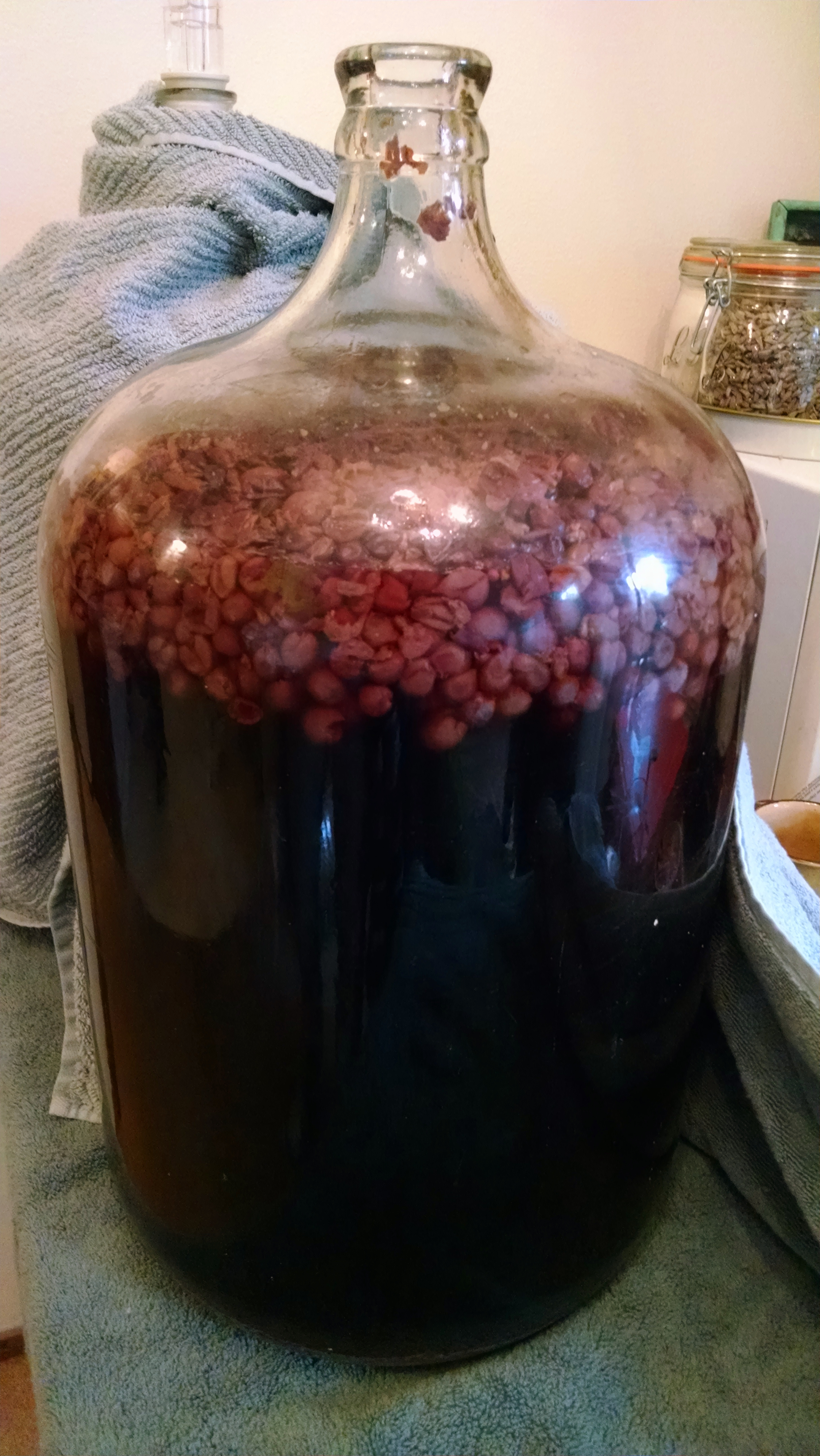
7.07.16 — Added 6 Lbs. Red Cherries to Flanders #1 (Whiskey Barrel Aged Flanders Style Red with Cherries)

07.31.16 — Added 13 Lbs. hand foraged Blackberries to Flanders #2 (Second blackberry version — see Wild Blackberry Sour Ale for the first)

08.30.16 — Kegged Cherry Flanders — FG: 1.000 / 9.99%

 08.30.16 — Added 1 gal. Cherry Flanders to #2 and kegged sometime in October ’16
 Tasting Notes (Regular Version, bottle pour)

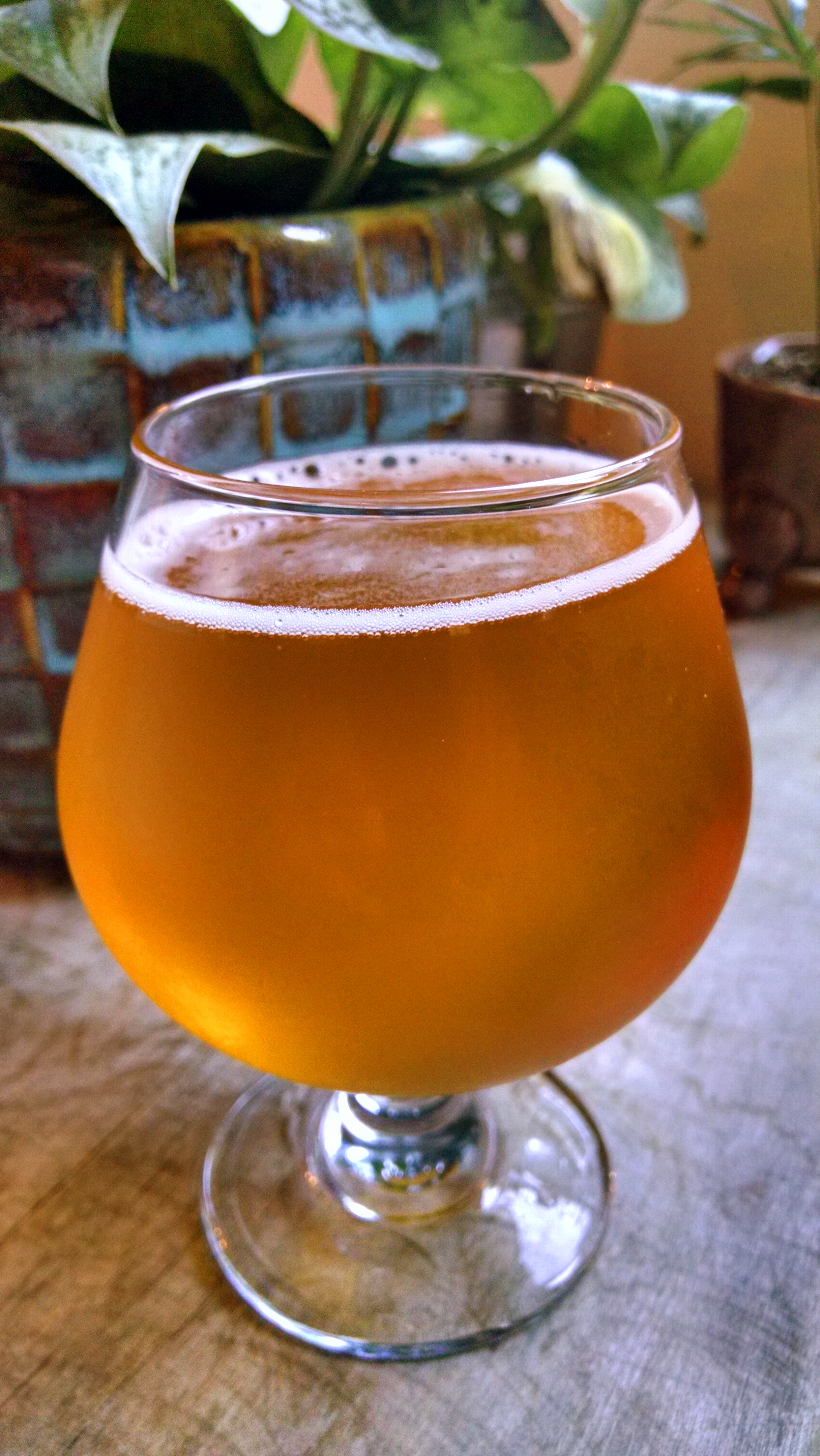
Along with the mild whiskey character, this beer exhibits the classic fruity Flanders Red notes of black cherry and orange with some mild vanilla peaking through.  Firm lactic sourness with just the right amount of acetic acid to balance, reminiscent of balsamic vinegar.  Very slight brettanomyces funk on the nose.  Beautiful red-brown color and clarity.

Calculated OG: 1.080
Calculated FG: 1.020
Approx. ABV: 7.9%

Calculated OG: 1.076
Calculated FG: 1.020
Approx. ABV: 7.3%

Calculated OG: 1.072
Calculated FG: 1.020
Approx. ABV: 6.8%
Spruce Springsteen — Spruce Tip Session Ale

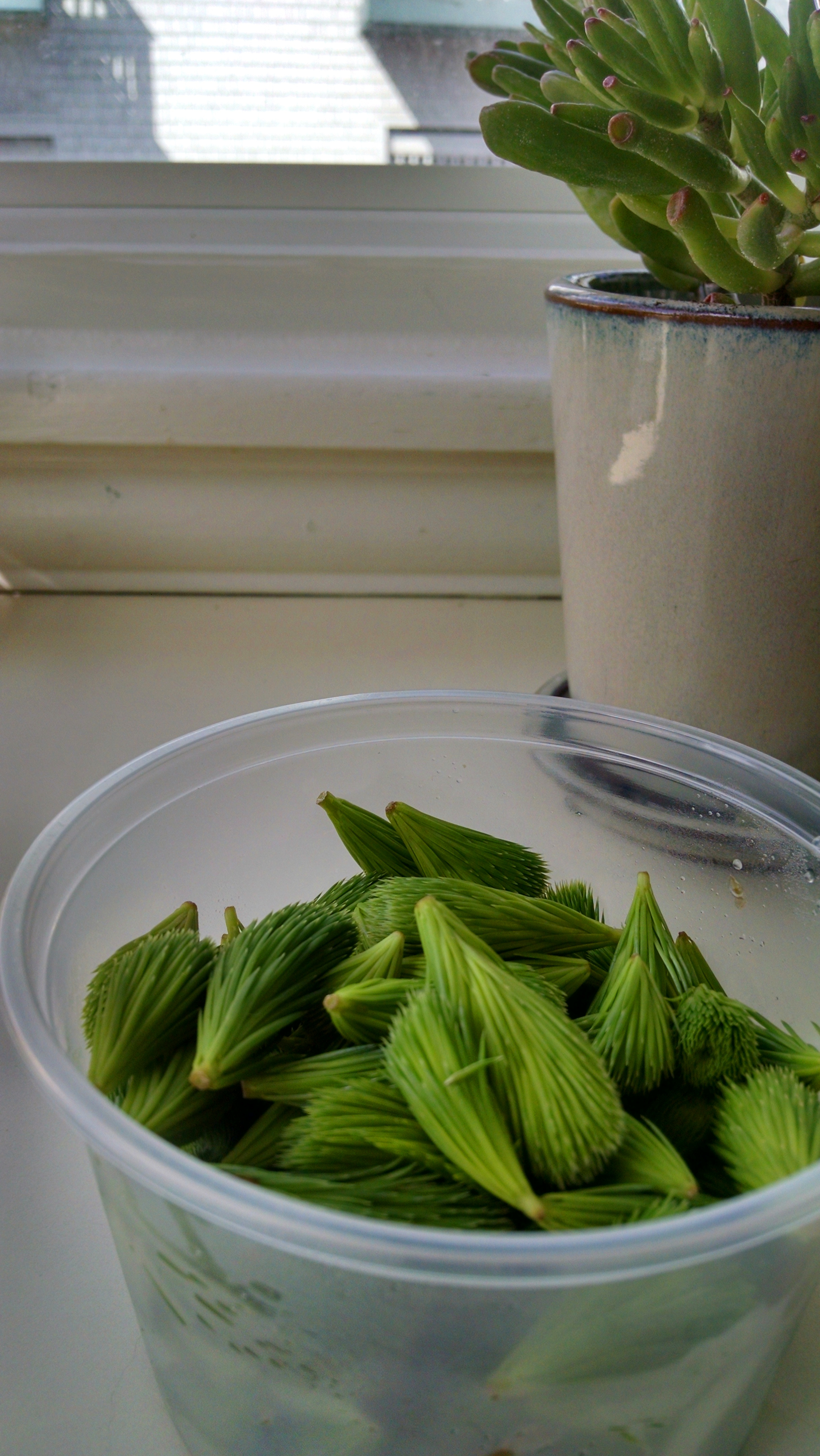
Spruce TipsFor this beer I again enlisted the help of Eric The Barter (who may also be referred to as Eric The Forager) to scare up some fresh Pacific Northwest spruce tips.  Not only did he come through for this beer, but Eric found enough spruce for Gregory and I to brew a second spruce tip beer in the near future (we intend to make the second one without any hops).

For this beer though, I decided on a light pale ale frame with some flaked oats for body and some crystal 120 for color adjustment.  I decided to focus on Simcoe hops late in the boil and as a dry-hop for their notes of pine, citrus, and earth, which satisfyingly compliments the spruce.

According to Brewtoad I should have hit a target original gravity of 1.053 for a beer of about 5.0% ABV; however, I only hit 1.034 and finished with a beer of about 4.1% ABV.  This isn’t the first time I’ve missed my gravity using Brewtoad’s estimates for recipes with flaked grains; I think they might anticipate more fermentables from these types of grains than what is actually produced because I usually hit or overshoot my gravities otherwise.  That being the case, I now have a delicious session ale with spruce tips!

Spruce Springsteen — Spruce Tip Session Ale

Recipe Specifics

Batch Size (Gal): 5.5
Total Grain (Lbs): 10.50
Anticipated OG: 1.053
Anticipated SRM: 8.0
Anticipated IBU: 32.0
Brewhouse Efficiency: 75%
Wort Boil Time: 90 Minutes

Grain

80% – 8.50 Lbs. American 2-Row Pale Ale
09% – 1.00 Lb. White Wheat
04% – 0.50 Lbs. Flaked Oats
04% – 0.50 Lbs. Crystal 120L

Hops

0.50 oz. Chinook (Pellet, 12.0% AA) @ 90 min (first wort).
0.50 oz. Chinook (Pellet, 12.0% AA) @ 20 min.
1.00 oz. Simcoe (Pellet, 13.0% AA) @ 0 min.
1.00 oz. Simcoe (Pellet, 13.0% AA) @ 5 days (dry hop).

Extras

1.00 Whirlfloc @ 15 min.
1.00 tsp Yeast Nutrient @ 15 min.
6.00 oz. Spruce Tips @ 15 min.
2.00 oz. Spruce Tips @ 5 days (dry hop).

Yeast

White Labs WLP051 – California V Ale Yeast

Water Profile

Seattle
0.20 tsp Calcium Chloride
0.30 tsp Gypsum

Mash Schedule

Single Infusion – 60 min @ 153F

Notes

04.21.15 — Late starter made night before brewday without sufficient time to culture up

Brewed on 04.22.15

04.22.15 — Chilled wort to 60F and pitched the California V Ale Yeast

04.25.15 — Signs of moderate fermentation activity

05.03.15 — Transferred to secondary and added dry-hops and 2.00 oz. spruce tips

05.08.15 — Kegged the beer and began force carbonating

Lavender Spruce SpringsteenTasting Notes

This beer turned out great; light and crisp with body enough to seem a bit stronger ABV-wise.  The earthy, fruity spruce melds perfectly with the delicious Simcoe hops.  I’d make this one again.

Calculated OG: 1.034
Calculated FG: 1.003
Approx. ABV: 4.1%

Loomi Lime Leaf Sour Farmhouse Ale

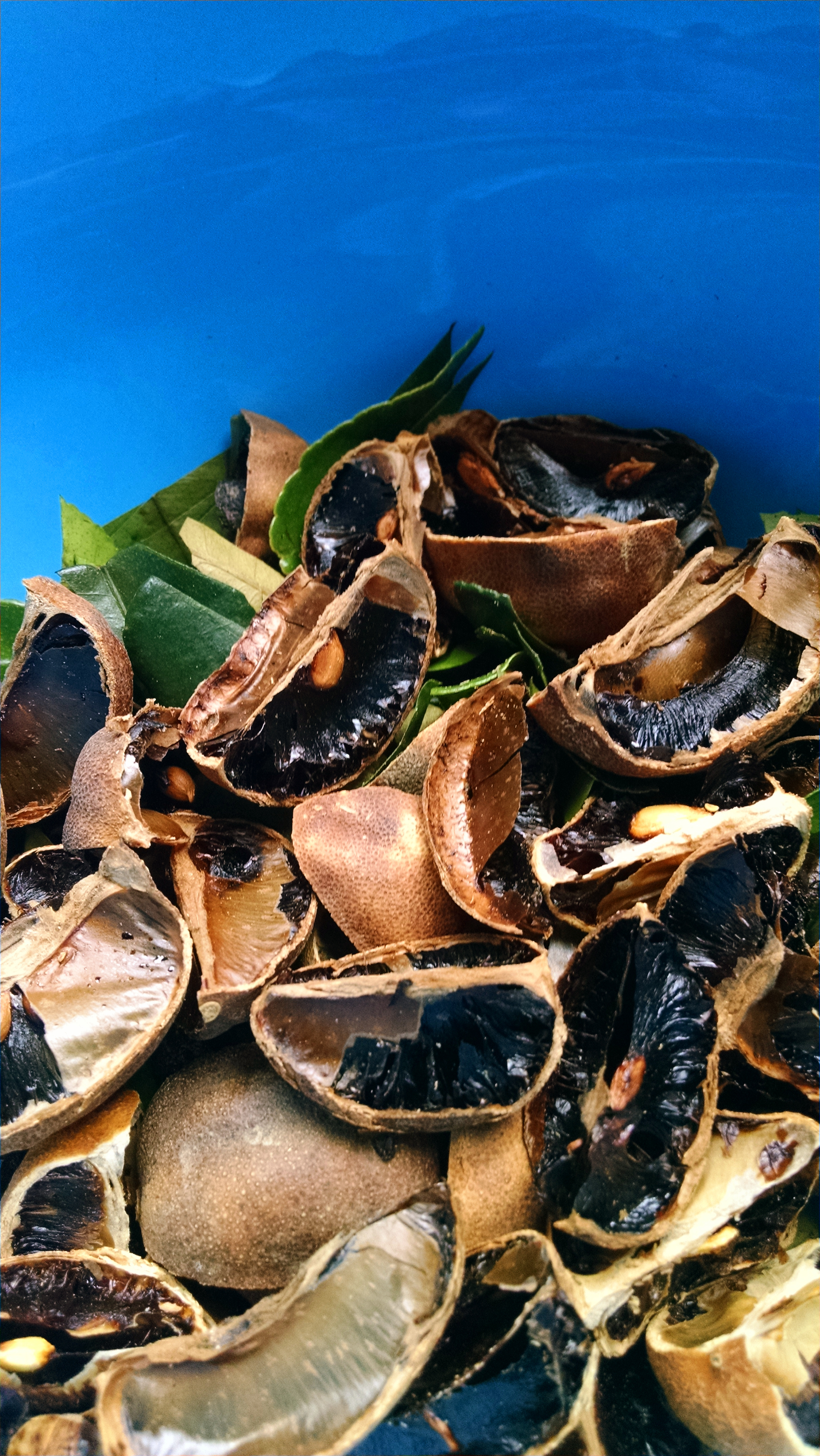
Loomi & Lime LeavesThe loomi, also known as the black lime, is a sun-dried lime that is commonly used as a spice in Middle Eastern cooking.  Gregory had used them before in a beer and liked the results, so we decided to use them and lime leaves (we wanted makrut lime leaves, but had to settle with those found at Thriftway) for the second of our three Yeast Bay fermented ales.

For this beer we constructed a pretty basic saison recipe with minimal IBUs, and utilized The Yeast Bay’s Farmhouse Sour Ale blend which “contains two farmhouse/saison Saccharomyces cerevisiae isolates, Lactobacillus brevis, and Lactobacillus delbreuckii.”  In keeping with the citrus theme, we also decided to use a Yakima Valley Hops hop called Experimental Lemon Zest, and will add 0.50 oz. of fresh lemon zest with the dry hops five days out from kegging.

Loomi Lime Leaf Sour Farmhouse Ale

Recipe Specifics

Batch Size (Gal): 5.5
Total Grain (Lbs): 9.50
Anticipated OG: 1.048
Anticipated SRM: 3.0
Anticipated IBU: 15.0
Brewhouse Efficiency: 75%
Wort Boil Time: 90 Minutes

Grain

63% – 6.00 Lbs. American 2-Row Pale Ale
21% – 2.00 Lbs. American Pilsner Malt
10% – 1.00 Lb. U.S. White Wheat
05% – 0.50 Lbs. Honey Malt

Hops

0.30 oz. Experimental Lemon Zest (Pellet, 14.0% AA) @ 90 min (first wort).
0.70 oz. Experimental Lemon Zest (Pellet, 14.0% AA) @ 0 min.
1.00 oz. Amarillo (Pellet, 9.3% AA) @ 5 days (dry hop)
1.00 oz. Citra (Pellet, 13.7 AA) @ 5 days (dry hop)
1.00 oz. Experimental Lemon Zest (Pellet, 14.0% AA) @ 5 days (dry hop)

Extras

1.00 Whirlfloc @ 15 min.
1.00 tsp Yeast Nutrient @ 15 min.
3.00 oz. Black Lime @ 0 min.
1.00 oz. Lime Leaves @ 0 min.
0.50 oz. Lemon Zest @ 5 days (secondary)

Yeast

The Yeast Bay – Farmhouse Sour Ale

Water Profile

Seattle
1.00 tsp Calcium Chloride
1.00 tsp Gypsum

Mash Schedule

Single Infusion – 60 min @ 154F

Notes

No starter on account of fresh yeast and the desire to keep the bugs in the blend at the manufacturer’s intended ratio.

Brewed on 03.25.15 with Gregory

03.25.15 — Chilled wort to 70F and pitched the Farmhouse Sour Ale blend

03.29.15 — Signs of moderate fermentation activity and put the carboy onto the brewbelt

04.05.15 — Took beer off of the brewbelt

05.29.15 — Tasted the beer to see if any acid had been produced per Yeast Bay’s description and decided to let the beer stay in primary for an extended period of time

09.20.15 — Kegged and began force carbonating the beer

Tasting Notes — 11.23.15 (Poured off tap)

Pours a clear pale golden color with a moderate head stand which laces thin.  Lots of lemon-lime citrus on the nose with a  hint of earth and sweet fresh lemon reminiscent of potpourri.  The citrus also dominates the palate, which is crisp and dry, with notes of tree bark and a suggestion of smoke surfacing in the middle from the loomi.  Never becoming very sour, this beer finishes with some lactic tartness, a round bitterness, and a lingering note of citrus.

Calculated OG: 1.046
Calculated FG: 1.007
Approx. ABV: 5.1%

Turbid Mash Lambic-Style Ale (In The Tradition Of Brasserie Cantillon)

Wild Yeast 03Months after we originally intended to, Gregory and I finally brewed our lambic-style ale on 09 February 2015.  We used Jim Liddil’s tek which is a conversion of Brasserie Cantillon’s turbid mash schedule to the homebrew scale.  Since we don’t currently have a barrel with neutral enough character, we opted to add French oak spirals to primary (we boiled the hell out of them beforehand so they wouldn’t overwhelm the beer).

We don’t have a koelschip and we didn’t let the beer spontaneously ferment per se, rather we chilled with a wort chiller as usual and pitched both of the batches of wild yeast that I harvested from my house (see my previous post).  We also overlooked the fact that our homebrew store wouldn’t have raw wheat and, as we were pressed for time, we just settled on regular wheat malt.  Though theoretically this could actually harm our efficiency because the wheat has already been well modified, the real goal here was to conduct the turbid mash, so we went ahead with it and did hit our intended gravity.

We have not yet decided if, when this beer is ready, we will serve it straight, fruit it, or blend it with a younger lambic-style ale to produce a gueuze-style ale; we’ll keep you posted.

Turbid Mash Lambic-Style Ale

Recipe Specifics

Batch Size (Gal): 5.0
Total Grain (Lbs): 8.0
Anticipated OG: 1.048
Anticipated SRM: 3.0-7.0
Anticipated IBU: 0-10
Brewhouse Efficiency: 75%
Wort Boil Time: 240 Minutes

Grain

66% – 5.3 Lbs. Belgian 2-Row Pilsner
33% – 2.7 Lbs. Wheat Malt

Hops

3.50 oz. Yakima Valley Hops Aged Lambic Hops (Leaf, 13.0% AA) @ 240 min.

Extras

1.00 tsp Yeast Nutrient @ 15 min.

Yeast

Wild yeasts harvested and propagated from home
Bottle dregs from Brouwerij Oud Beersel Oude Geuze

Water Profile

Seattle

Mash Schedule

Jim Liddil’s A Liddil Lambic Lesson

Notes

02.09.15 — Cold crashed and decanted the growlers of wild yeast I propagated morning of brew day

Brewed on 02.09.15 with Gregory

02.09.15 — After a nearly eight hour brew day, chilled wort to 70F and pitched the wild yeast into a carboy with the oak spirals and put in on the brewbelt.

02.13.15 — Signs of fermentation activity

03.25.15 — Transferred off of the oak spirals into secondary fermentor and added the bottle dregs from Brouwerij Oud Beersel Oude Geuze

02.11.16 — Pulled a sample from the carboy and tasted it.  Lots of oak character even though we boiled the spirals for quite a while and changed the water numerous times.  Surprisingly not too much acidity/sourness yet, will probably pitch some extra bottle dregs soon.

04.05.18 — Tasted beer, and lots of diacetyl present (wasn’t there previously or when the beer was young).  Guessing it’s due to pediococcus re-fermentation.  Will pitch fresh Brett. Brux. and starter wort to clean it up as I have done in the past with surprise diacetyl in long-aged sours.

04.08.18 — Transferred off it’s long-time yeast/bacteria cake and pitched some Brett. Brux. slurry from the 2nd lambic-style beer Gregory and I brewed.  Made a large, fresh Brett. Brux. starter and will pitch half of this into the beer in a few days.

04.11.18 — Pitched about 800ml of active Brett. Brux. starter into carboy.

Calculated OG: 1.048

Barrel Fermented Mélange Sour Pale

Melange SourThis is our first beer to undergo primary fermentation in a barrel (a used American oak Parliament Whiskey barrel), and it’s also the first in a series of three beers to feature different yeast strains from The Yeast Bay.

We used the same base recipe for this beer that we used in our Kaberene Fran Sour Pale but pitched the Mélange yeast blend in place of the Roeselare (the barrel also previously held a funked old ale so whatever critters are living in the wood will also have an impact).

Find our process, and tasting notes below:

Whiskey Barrel SourBarrel Fermented Mélange Sour Pale

Recipe Specifics

Batch Size (Gal): 5.5
Total Grain (Lbs): 13.75
Anticipated OG: 1.069
Anticipated SRM: 4.0
Anticipated IBU: 14.0
Brewhouse Efficiency: 75%
Wort Boil Time: 90 Minutes

Grain

80% – 11.0 Lbs. Belgian 2-Row Pilsner
07% – 1.0 Lbs. U.S. Vienna
05% – .75 Lbs. U.S. Munich – Dark 20L
07% – 1.0 Lbs. U.S. Wheat

Hops

0.35 oz. Magnum (Pellet, 13.0% AA) @ 90 min.

Extras

1.00 Whirlfloc @ 15 min.
1.00 tsp Yeast Nutrient @ 15 min.

Yeast

The Yeast Bay – Mélange Sour Blend
Used barrel terroir

Water Profile

Seattle
1.00 tsp Calcium Chloride
1.00 tsp Gypsum

Mash Schedule

Single Infusion – 60 min @ 155F

Notes

No starter on account of fresh yeast and the desire to keep the bugs in the blend at the manufacturer’s intended ratio.

Brewed on 01.21.15 with Gregory

01.21.15 — Chilled wort to 70F, transferred to the barrel, and pitched the Mélange blend

01.24.15 — Signs of moderate fermentation activity

01.29.15 — Transferred into secondary fermentor and took gravity readings

02.11.16 — Pulled a sample from the carboy.  Light lemon acidity and balanced funk.  Will package soon and may keep some on hand for blending.

05.26.16 — Packaged this by bottling half the batch with Champagne yeast and half the batch with Champagne yeast and Brett.

Tasting Notes 07.12.16 (poured from bottles)

Champagne Yeast Only:

Fizzy white head which dissipates quickly, pale yellow color with good clarity.  Vanilla and oak on the nose with a hint of lemon, aroma kind of reminiscent of cream soda.  The palate follows the nose with a sharp citric acid like bite mid-tongue.  Some mild tropical fruit notes, and a soft-round lactic acid sourness on the semi-dry finish.

Brettanomyces & Champagne Yeast:

Fizzy white head which dissipates quickly, pale yellow color with good clarity.  Brett.’s earthy, horsey-funk is up front with oaky notes in the background.  Similar palate to the  Champagne Yeast Only version, but the barnyard, leathery Brett. character definitely takes center stage.  The sourness is less defined and muted, while the funkiness is accentuated, finishes dry.

Calculated OG: 1.075
Calculated FG: 1.000
Approx. ABV: 9.86%

Brett’s A Mild Dude — Partial Fresh Hop English Style Mild With Brettanomyces

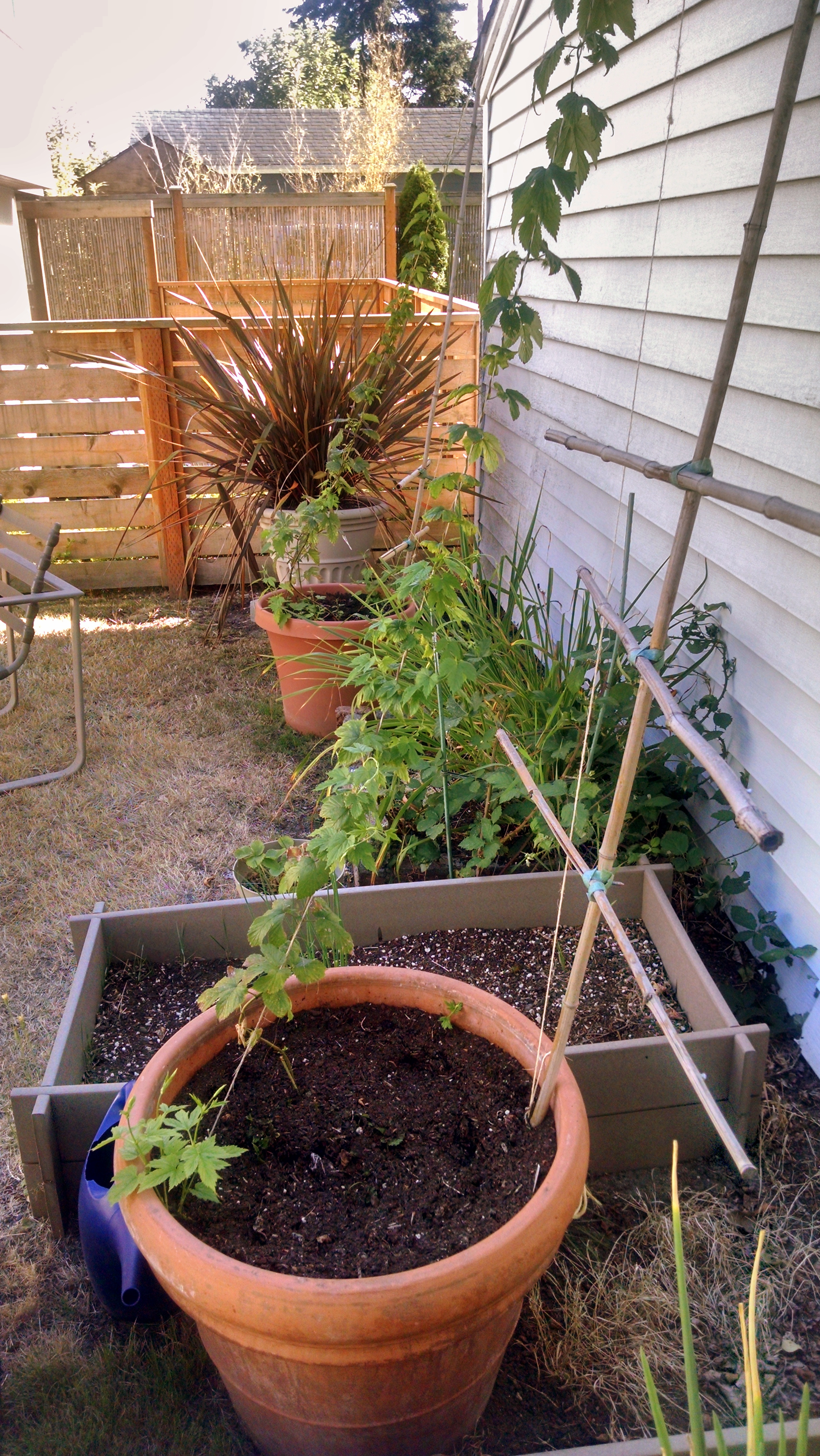
Hops 2014I have been growing my own hops for three years now with varying degrees of success.  Before we moved to Alki beach they did very well and I even had a harvest the first year (they usually need a year to acclimate to their environment, producing the second year).  Since moving to Alki my plants have produced, however, the yields have been much smaller than they were that first year.  It can get very windy where we are situated and I’m not sure if the salty sea air has a detrimental effect on their growth.  Regardless, I have been able to use those hops that do endure in partial fresh hop homebrews.

Last fall Gregory and I used my homegrown Willamette hops in our funkified take on an old standard.  We began with a basic English mild recipe and fermented it with White Labs WLP013 London Ale and White Labs WLP645 Brettanomyces Claussenii which resulted in a great fruity beer with light funk and a crisp dry finish.  Here’s our recipe:

Brett’s A Mild Dude — Partial Fresh Hop English Style Mild With Brettanomyces

Recipe Specifics

Batch Size (Gal): 5.5
Total Grain (Lbs): 8.875
Anticipated OG: 1.044
Anticipated SRM: 21.0
Anticipated IBU: 23.0
Brewhouse Efficiency: 75%
Wort Boil Time: 60 Minutes

Grain

67% – 6.0 Lbs. Maris Otter Ale Malt
08% – 0.75 Lbs. British Crystal 50-60L
08% – 0.75 Lbs. Brown Malt
05% – 0.50 Lbs. Flaked Oats
05% – 0.50 Lbs. British Crystal 135-165L
02% – 0.25 Lbs. American Chocolate
01% – 0.125 Lbs. Black Malt

Hops

1.50 oz. Bramling Cross (Pellet, 6.0% AA) @ 30 min.
0.10 0z. Fresh Hop Homegrown Willamette (Whole Cone, 5.0% AA) @ 1 min.

Extras

1.00 Whirlfloc @ 15 min.
1.00 tsp Yeast Nutrient @ 15 min.

Yeast

White Labs WLP013 London Ale (starter)
White Labs WLP645 Brettanomyces Claussenii

Water Profile

Seattle
1.00 tsp Calcium Chloride
1.00 tsp Gypsum

Mash Schedule

Sacch. Rest – 60 min @ 153F
Mashout – 10 min @ 170F

Notes

09.01.14 – Made a stir-plate 1.5L starter with 1 White Labs WLP013 London Ale vial.  Brewtoad suggests 170 billion cells to ferment 5.5 gal.  Cold crashed and decanted morning of brew day.

Brewed 09.03.14 with Gregory

09.03.14 – Chilled wort to 65F before pitching yeast starter.

09.05.14 –  Vigorous fermentation, temperature holding steady @ 60-65F.  Fermented at this temp. for 1 week.

09.10.14 – Put fermentor onto brewbelt for 15 days.

09.25.14 – Transferred mild to secondary.

10.23.14 – Kegged and carbonated mild @ 1.65 volumes CO2.

Tasting Notes

This beer turned out great.  Notes of biscuit, nuts, and chocolate dominate the palate with vinous hints and some dry fruitiness from the Brett.  Finishes dry and crisp, with a very short finish — refreshing.

Calculated OG: 1.045
Calculated FG: 1.012
Approx. ABV: 4.3%

Harvesting Wild Yeast

Wild Yeast 01 & 02

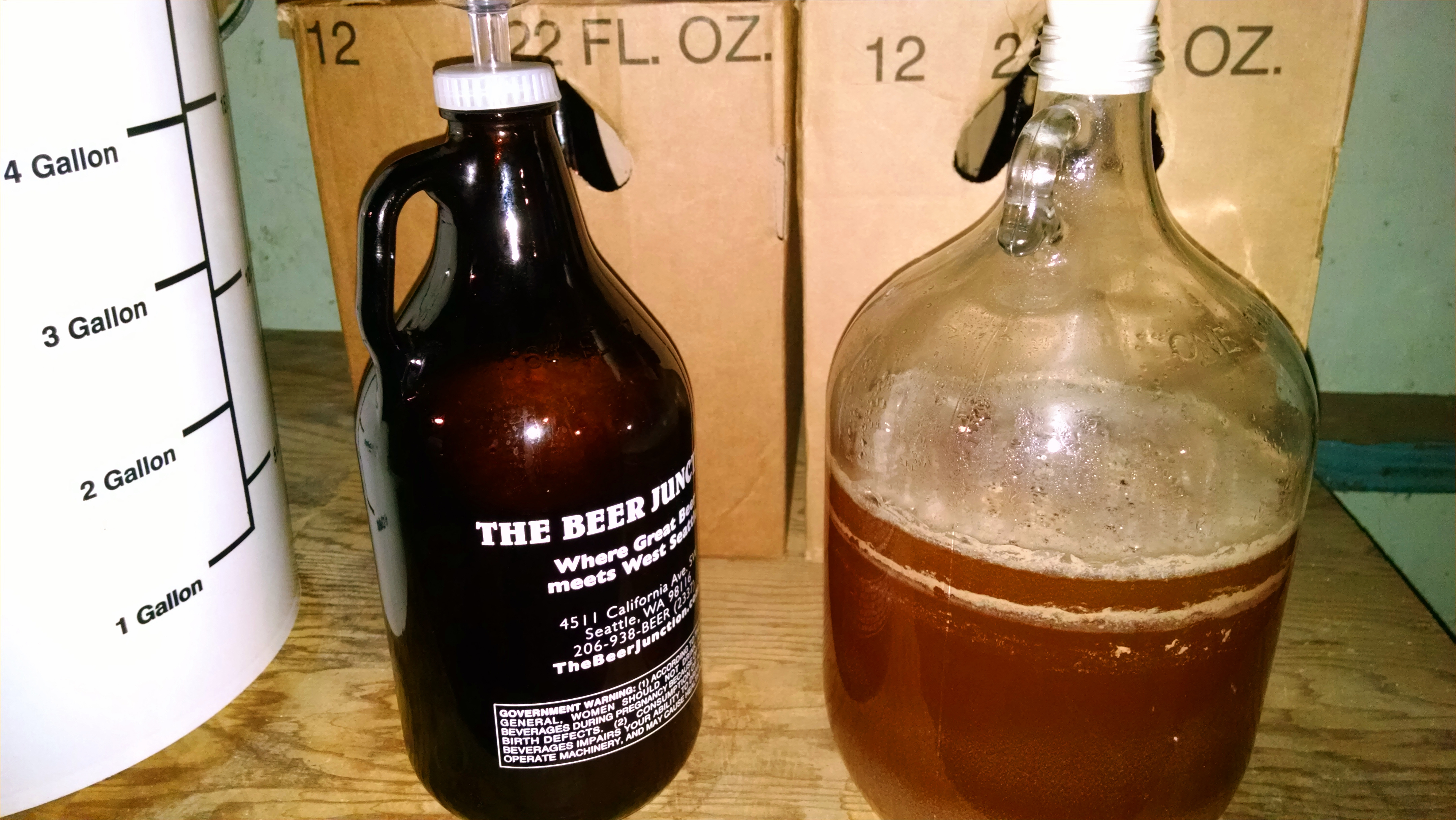
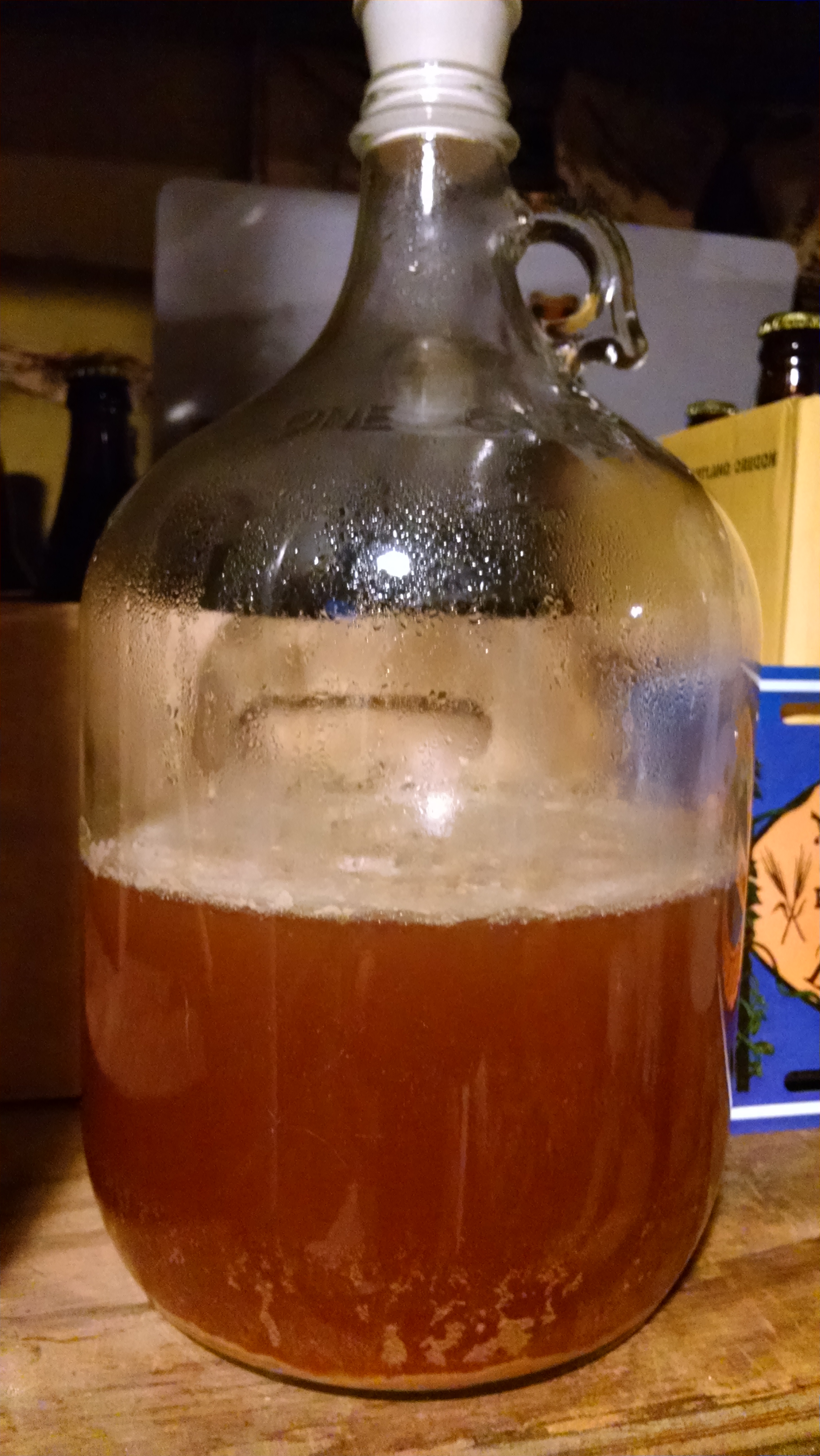
About two months ago I began experimenting with harvesting wild yeast from different areas in my house.  Since most of my beers are fermented in the basement where our Westland Distillery whiskey barrel resides (and because we inoculated it with commercial wild yeasts and bottle dregs after our clean stout was finished) I decided to try to catch some yeast from the basement.  The process is rather simple, though unpredictable, and so far I’ve been successful with two separate batches — successful meaning I’ve definitely caught some bugs and there doesn’t appear to be any mold or off flavors present at this point.

Wild Yeast 01After Gregory and I finished sparging for the chanterelle mushroom beer, we had about 64oz of wort left over.  Instead of just dumping the wort, I let it cool to room temperature and put it into a stock pot which I covered with a grain bag and left in my basement over night.  The next morning I funneled the wort into a gallon growler, added an airlock, and waited to see what happened.  In about a week’s time, I noticed that a Brettanomyces pellicle had begun to form.  I waited another week then made up a starter wort and fed the bugs I caught, taking the opportunity to smell the yeast: mango- and pineapple-like tropical fruit notes with some light barnyard funk is what emerged.  I have been monitoring and feeding the batch roughly every two weeks ever since, cold crashing and decanting when necessary, and Gregory and I plan to use it in our turbid mash lambic-style ale which we plan to barrel ferment.  It has been exciting to witness the different phases the yeast has gone through since it’s initial capture: a few weeks after the first feeding, it was offering more standard Belgian yeast notes; now it has become fairly complex with hints of fruit, a more profound funkiness, and light Belgian-like phenolics.

Wild Yeast 02 UpstairsThe second batch is from upstairs in my kitchen.  After we finished sparging for our Baltic porter, we had about 32oz of wort left (prior to the addition of the cold steeped specialty malts which were added at the end of our boil) and I followed the same process as above, keeping it on top of a cabinet for the night.  Once again I definitely caught some bugs, and it is my hope that this batch will be more representative of the wild yeast down here on Alki beach since I do not ferment any beers in my kitchen.  So far this yeast seems milder in intensity with a light fruitiness reminiscent of stone fruit and a very faint funk in the background.  It will be interesting to see how both of these catches mature and change over time.

Merry Christmas, It’s Endless Stout!

Barrel 04Way back in late January of 2014 Gregory, our co-worker Matt, and I brewed an American Stout of moderate strength to be aged in a used whiskey barrel from local distillery Westland Distillery.  Each of us brewed roughly 18 gallons of beer to fill the 53 gallon barrel and each of us decided to create different versions of the brew after it was done barrel aging.  Nearly a year later, I have finally finished with my fourth and final version of the stout which is a soured version.  This post will review all four of my interpretations and I’ll post the original base recipe that spent approximately 5.5 months in the barrel.

First, we’ll start with the regular old whiskey barrel aged American Stout: we all agreed on a base beer recipe and tweaked it slightly with each subsequent brewing based on our results.  Disappointed with efficiency on some of the batches, our final batch incorporated some DME in order to boost the gravity of the overall brew.  The end result was a beer between 6% – 6.5% ABV that was a little overwhelmed by the boozy notes and the wood tannins that the remaining whiskey and barrel imparted.

Feeling that this framework would be able to take on some other flavors which might wed well with the barrel characteristics, I decided on my next two renditions simultaneously.

My second version saw strong cold-brewed lavender coffee, and Madagascar vanilla beans added to the base beer.  The lavender coffee was purchased from Pelindaba Lavender on Friday Harbor and was added at bottling, whereas the vanilla beans were found at Metropolitan Market and were used as a week long “dry-hop” prior to packaging.  This version turned out the best in my opinion and has been dubbed The Friday Harbourbon Barrel Aged Stout.

The third adaptation I made saw pie cherries, organic cacao nibs, and Madagascar vanilla beans added to the base beer.  I pasteurized the cherries the same way I did for The Cherry Ghost and the beer sat on all of these ingredients for two extra weeks before bottling.  The cherries are the most prevalent flavor component and they add a slight tartness to the beer without turning it into a true sour ale.

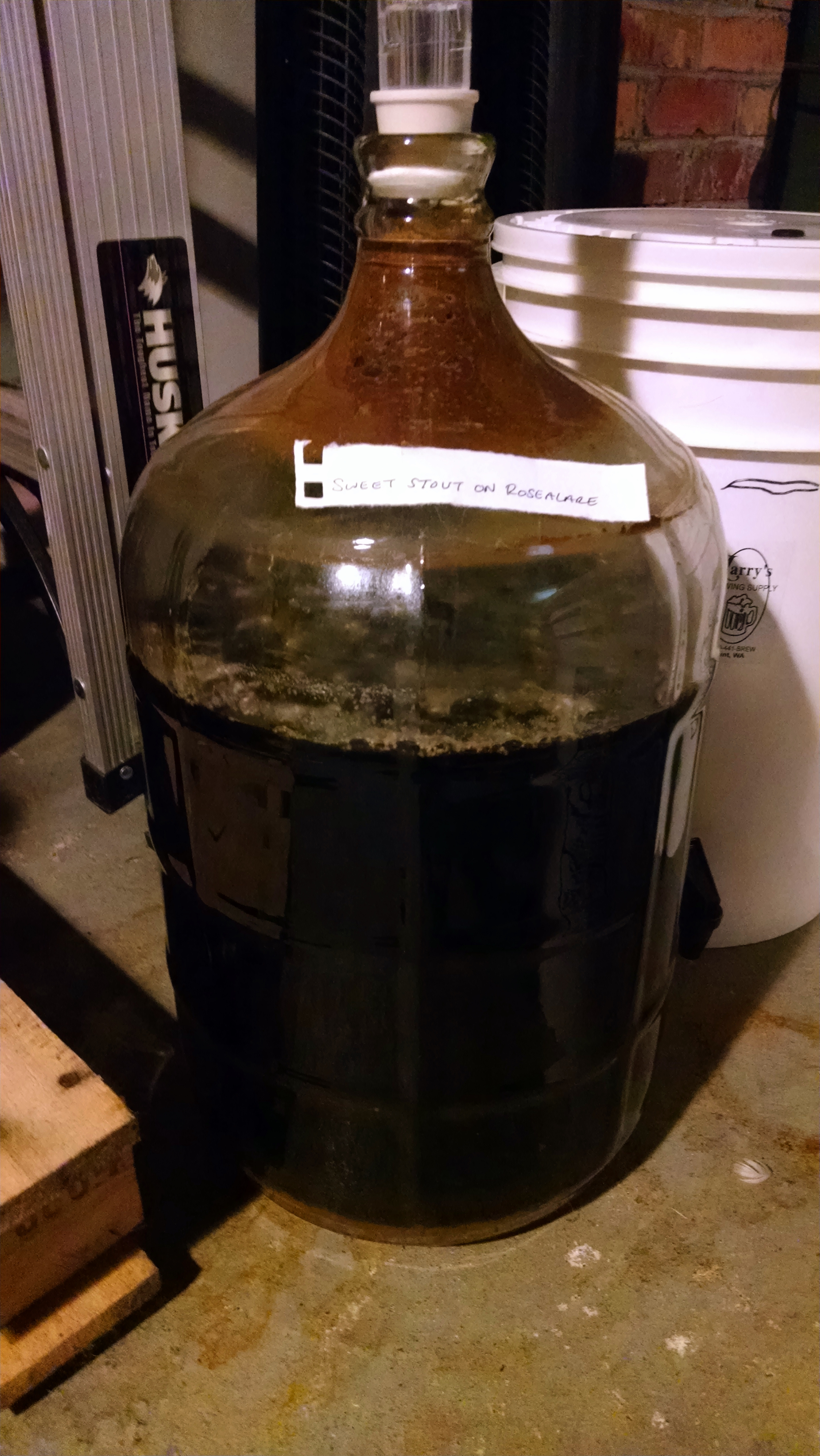
The fourth and final version is a soured version that I just bottled on December 17th 2014.  This rendition was kind of an afterthought as we had about 5 gallons of stout left over from our last barrel top-off batch.  It was just sitting in a carboy when Gregory, Matt, Derek (another friend and co-worker), & I decided to brew a Flanders Red Ale to age next in the whiskey barrel.  After the first of those batches was complete, I added the yeast cake from the Flanders Red Ale which utilized Wyeast 3763 Roeselare Blend and let it undergo a long secondary fermentation in which I also added the bottle dregs from Girardin Gueuze 1882, and the yeast cake from an English Mild that Gregory and I fermented with Wyeast 1318 London Ale III & White Labs WLP645 Brettanomyces Claussenii.  The resulting beer has a moderate tartness and a pleasant funkiness; I’ll elaborate more once it has carbonated and can be properly tasted.

Here is the recipe for my last edition of the base beer:

Roesalare StoutWestland Distillery Whiskey Barrel Aged American Stout

Recipe Specifics

Batch Size (Gal): 5.5
Total Grain (Lbs): 13.76
Anticipated OG: 1.069
Anticipated SRM: 43.0
Anticipated IBU: 31.0
Brewhouse Efficiency: 75%
Wort Boil Time: 60 Minutes

Grain

74% – 10.31 Lbs. Marris Otter Pale (UK)
05% – 0.75 Lbs. Flaked Rye
05% – 0.75 Lbs. Golden Naked Oats (UK)
04% – 0.60 Lbs. Midnight Wheat
03% – 0.45 Lbs. Crystal 70L
02% – 0.30 Lbs. Black Patent
02% – 0.30 Lbs. Chocolate Rye
02% – 0.30 Lbs. Chocolate Wheat

Hops

0.50 oz. Columbus (Pellet, 15.0% AA) @ 60 min.
1.00 0z. Perle (Pellet, 7.8% AA) @ 15 min.

Extras

1.00 tsp Yeast Nutrient @ 15 min.

Yeast

Ferementis Safale US-05

Water Profile

Seattle
1.00 tsp Calcium Chloride
1.00 tsp Gypsum

Mash Schedule

Single Infusion  – 60 min @ 156F

Notes

Brewed 02.17.14

02.17.14 – Chilled wort to 65F before pitching rehydrated yeast.

02.19.14 –  Vigorous fermentation, temperature holding steady @ 60-65F.

03.03.14 – Transferred to whiskey barrel for conditioning.

07.21.14 – Transferred stout out of barrel and began different renditions.

Tasting Notes

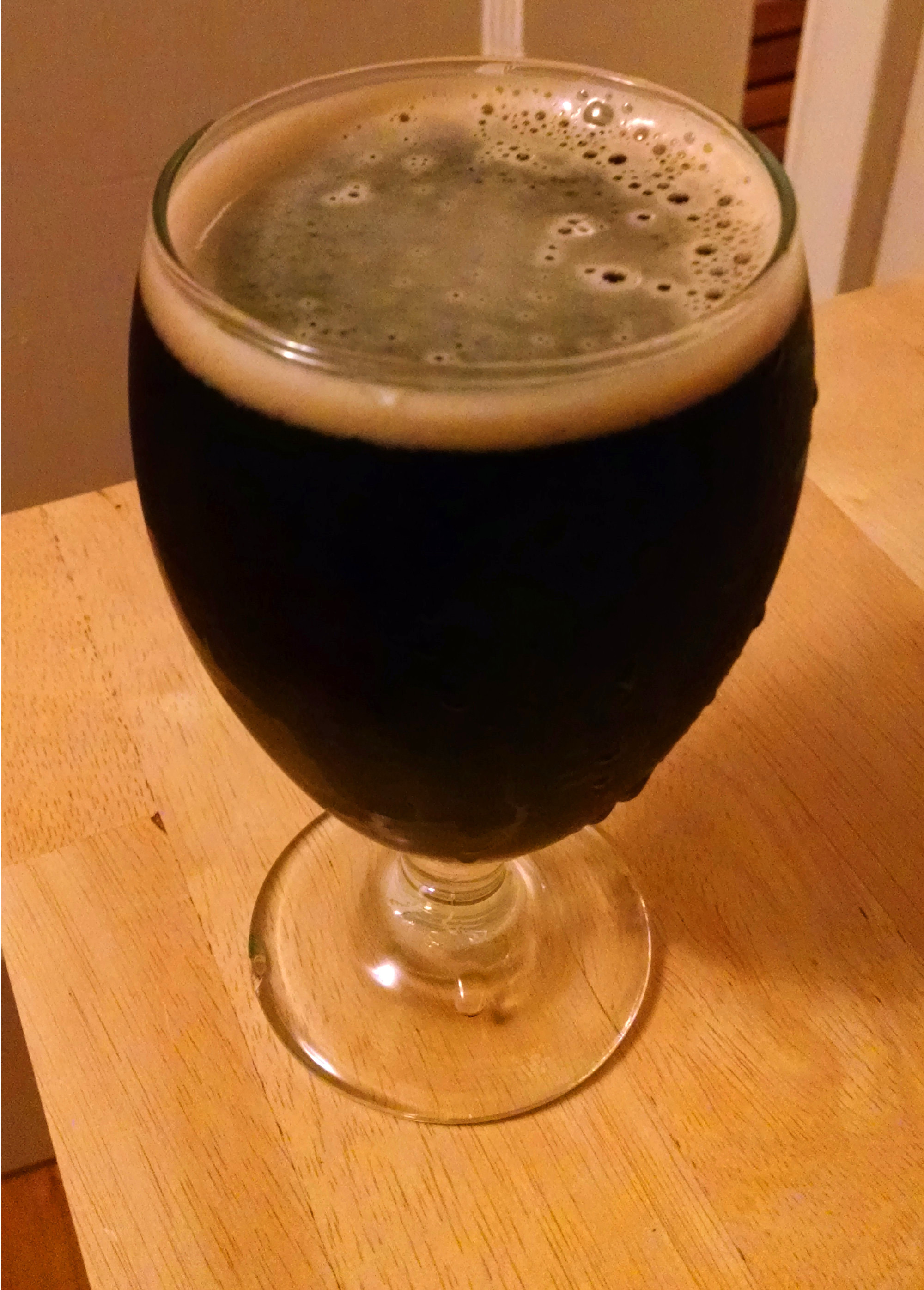
Regular version: Lots of whiskey flavor on the front end that tends to mask the base beer; finishes dry with some noticeable wood tannins from the barrel.  This beer has mellowed over time with the whiskey flavor blending better with the base beer; still lots of barrel character but hints of bittersweet chocolate and cola have asserted themselves.

Lavender Coffee Vanilla Bean version: Although lavender coffee was used, the lavender notes are subtle while the roast from the coffee is bold.  It has aged well and the flavors meld into the whiskey character nicely.  Very subtle hints of vanilla on the drying finish.  Drinks better now (7 months later) than it did when first bottled.

Cherry Chocolate Vanilla Bean version: This one tends to come off as more sweet than the other versions.  Its viscous and mouth-coating with the cherries lending a slight tang to the finish.  The chocolate flavors from the cacao nibs are subdued; its slightly nutty.  Vanilla could be more apparent.

Sour version (non-barrel aged): This turned out rather well for the afterthought experiment that it was.  There’s lots of body and sweetness to this one which could be from the top off batch containing all of the DME we used (which would mean it wasn’t converted properly) which I rather like since it becomes fairly sour on the finish.  It has notes of tropical fruit and some restrained funk on the finish.

Calculated OG: 1.060
Calculated FG: 1.015
Approx. ABV: 5.9%

The Baltic Tiger – Cold Steeped Rye Baltic Porter

Baltic TigerAccording to the BJCP Baltic porter “often has the malt flavors reminiscent of an English brown porter and the restrained roast of a schwarzbier, but with a higher OG and alcohol content than either.  Very complex, with multi-layered flavors.”  Typically, Baltic porters will utilize debittered black malts (malts with most of the grain husk removed prior to kilning) in order to reduce the bitterness and astringency imparted by tannins found in regular dark roasted malts.

Instead of simply using debittered malts for this recipe, Gregory and I decided we wanted to obtain the color, aroma, and flavor of some of our favorite dark malts without their bitterness.  In order to do so we cold steeped the highly roasted malts of our grain bill in room temperature water for 24 hours prior to brew day.  The American Homebrewers Association notes, “Cold steeping is a process popularized by Mary Anne Gruber at Briess.  The idea was to find a way to extract the favorable flavors from dark specialty grains, but leave behind the harsh characteristics, giving the brewer a greater level of control over the color of the beer.”

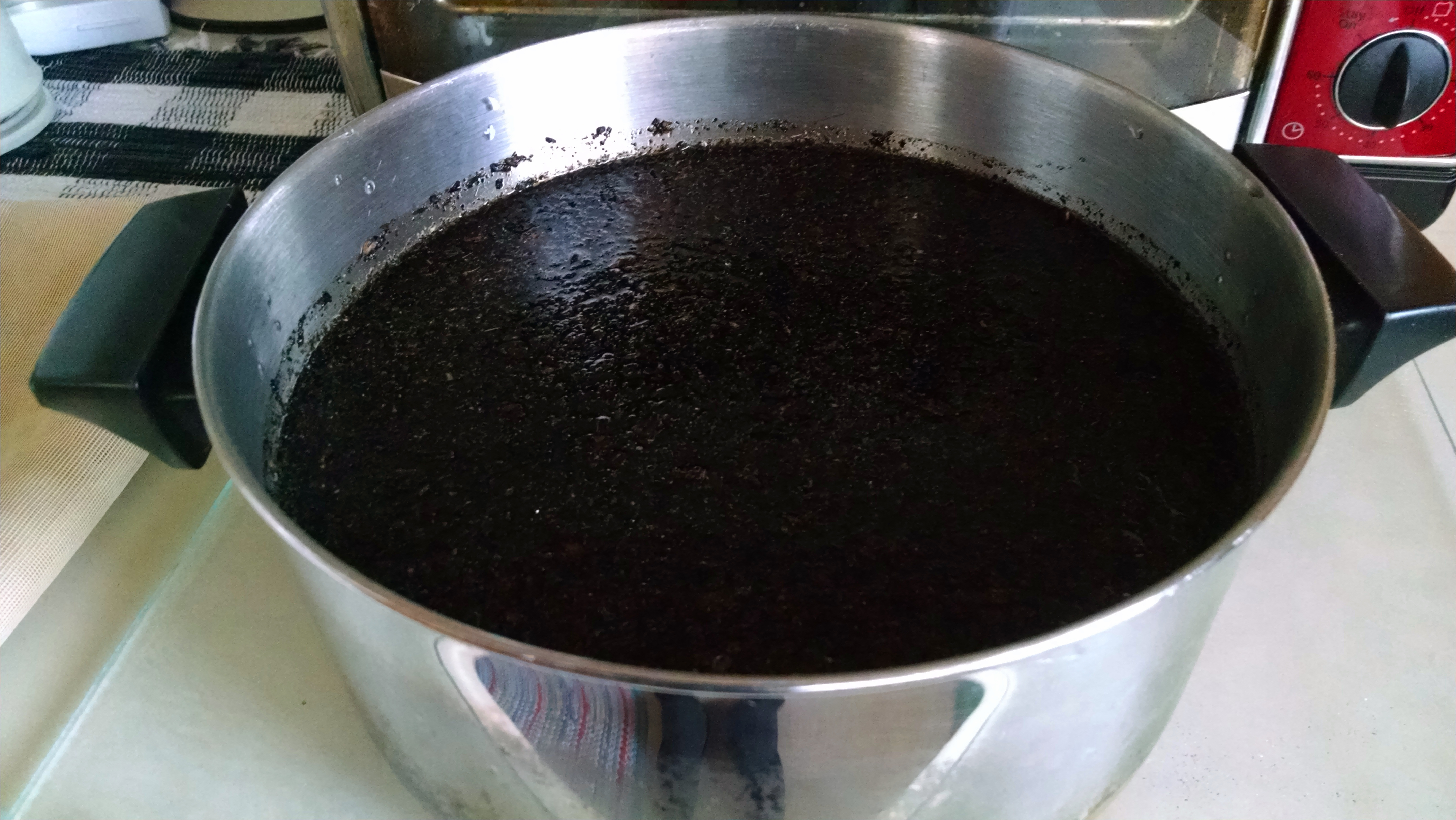
On the morning of brew day, I strained the cold steeped portion of the wort from the grain and we added it to the boil @ 10 minutes to flameout.  This should ensure that the cold steeped portion is sanitized without enough contact time for the heat to bring out any of the harsh attributes we hope to avoid by cold steeping in the first place.

Baltic porter is also usually fermented with a lager yeast strain or an ale strain at a lower temperature.  As we don’t currently have the space or equipment for proper lagering, we’ve opted to use California Lager yeast which retains lager characteristics @ warmer fermentation temperatures; it’s currently fermenting away vigorously.

Cold SteepThe Baltic Tiger – Cold Steeped Rye Baltic Porter

Recipe Specifics

Batch Size (Gal): 5.5
Total Grain (Lbs): 19.26
Anticipated OG: 1.097
Anticipated SRM: 38.0
Anticipated IBU: 27.0
Brewhouse Efficiency: 75%
Wort Boil Time: 90 Minutes

Grain

46% – 9.0 Lbs. Munich 6°L
31% – 6.0 Lbs. Belgian 2-row Pilsner
07% – 1.5 Lbs. Melanoidin Malt
05% – 1.0 Lbs. Flaked Rye
02% – 0.5 Lbs. Special B
01% – 0.38 Lbs. Roasted Barley
01% – 0.38 Lbs. Black Patent
01% – 0.25 Lbs. Roasted Rye
01% – 0.25 Lbs. Chocolate Malt

Hops

1.00 oz. Perle (Pellet, 7.8% AA) @ 90 min.
0.75 0z. Fuggle (Pellet, 4.8% AA) @ 30 min.
0.50 0z. Fuggle (Pellet, 4.8% AA) @ 10 min.
0.50 oz. East Kent Golding (Pellet, 5.0% AA) @ 1 min.
0.45 oz. Bramling Cross (Pellet, 6.0% AA) @ 0 min.

Extras

1.00 tsp Yeast Nutrient @ 15 min.

Yeast

Wyeast 2112 California Lager (starter)

Water Profile

Seattle
1.00 tsp Calcium Chloride
1.00 tsp Gypsum

Mash Schedule

Sacch Rest – 60 min @ 152F
Mashout – 10 min @ 170F

Notes

12.01.14 – Made a stir-plate 1.5L starter with 1 Wyeast 2112 smack pack.  Brewtoad suggests 714 billion cells to ferment 5.5 gal.  Cold crashed and decanted morning of brew day.

12.02.14 – Cold steeped 1.26 Lbs. of roasted grains in 2.5 quarts of room temperature water for 24 hours.

Brewed 12.03.14 with Gregory

12.03.14 – Added cold steeped wort @ 10 min.

12.03.14 – Chilled wort to 65F before pitching yeast starter.

12.04.14 –  Vigorous fermentation, temperature holding steady @ 60-65F.

12.18.14 – Transferred to secondary fermentor for conditioning.

01.07.15 – Kegged the porter and brought it into work to cold condition in the walk in at 38F for a month.

Baltic PorterTasting Notes 06.19.15

Wonderful aromatics of bittersweet cocoa and dark fruits (plum and black cherry).  Initial malt sweetness and full mouthfeel on the palate reminiscent of raisins, baking spices, and candied nuts with some faint biscuit notes in the background.  Moves into notes of bittersweet chocolate, burnt sugar, and highly roasted malts which finishes on the dryish side with deep roast, hints of espresso bitterness, rye spiciness, and alcohol warmth.  Lingering pleasant bitterness on the far finish.  Perhaps a bit too dry per style, but an excellent beer through and through.

Calculated OG: 1.097
Calculated FG: 1.026
Approx. ABV: 9.3%

Kaberne Fran Rye Saison

Cab Franc SaisonBack in March of 2014 Gregory & I collaborated on a Ginger Kumquat Saison that turned out great and received an honorable mention at our first homebrew competition, the 2014 Aroma of Tacoma competition (I’ll eventually get it posted up here).  Based on the success of that brew, we began kicking around ideas for other Saisons we’d like to someday brew.  In late September we decided on a dark rye Saison suitable for the winter months which would incorporate the other half (12-13 lbs.) of the Cabernet Franc grapes we bought from the grape crush.

We brewed this beer a week after our Kaberne Fran Sour Pale Ale and it should be ready to keg or bottle around December 17th 2014, along with our 100% Brett. IPA, and the Chanterelle Belgian Strong Ale detailed in earlier posts.  Here is our recipe:

Kaberne Fran Rye Saison

Recipe Specifics

Batch Size (Gal): 5.5
Total Grain (Lbs): 11.38
Anticipated OG: 1.055
Anticipated SRM: 17.0
Anticipated IBU: 37.0
Brewhouse Efficiency: 75%
Wort Boil Time: 90 Minutes

Grain

39% – 4.5 Lbs. Belgian 2-Row Pilsner
17% – 2.0 Lbs. Rye Malt
13% – 1.5 Lbs. CaraRed
13% – 1.5 Lbs. Flaked Rye
04% – 0.5 Lbs. Caramel/Crystal 40L
04% – 0.5 Lbs. Brown Malt
04% – 0.5 Lbs. Flaked Wheat
01% – 0.19 Lbs. Carafa III
01% – 0.18 Lbs. Rice Hulls

Hops

0.75 oz. Perle (Pellet, 8.5% AA) @ 60 min.
0.75 0z. Perle (Pellet, 8.5% AA) @ 30 min.
1.00 0z. Perle (Pellet, 8.5% AA) @ 1 min.
0.50 oz. Perle (Pellet, 8.5% AA) @ 0 min.

Extras

1.00 Whirlfloc @ 15 min.
1.00 tsp Yeast Nutrient @ 15 min.
12.50 Lbs. Cabernet Franc grapes

Yeast

White Labs WLP072 French Ale (starter)
White Labs WLP644 Brettanomyces Bruxellensis Trois

Water Profile

Seattle
1.00 tsp Calcium Chloride
1.00 tsp Gypsum

Mash Schedule

Single Infusion – 75 min @ 152F

Notes

10.06.14 – Made a stir-plate 2L starter with 1 White Labs WLP072 vial.  Brewtoad suggests 210 billion cells to ferment 5.5 gal.  Cold crashed and decanted morning of brew day.

Brewed 10.08.14 with Gregory

10.08.14 – Chilled wort to 70F before pitching yeast starter.

10.08.14 –  Put fermentor onto brewbelt and holding steady at 70-75F.

10.18.14 – Transferred to secondary fermentor and added the Cabernet Franc grapes.

11.19.14 – After 32 days in secondary on the grapes, we transferred to a tertiary fermentor and put it back onto the brewbelt.

12.29.14 – Brewed a second batch of the base saison to blend with the grape version.

01.16.15 – Transferred the second rye saison to secondary after 18 day primary fermentation.

01.28.15 — Blended the two saisons to taste (roughly half and half, leaning a tad more heavy on the regular version).

02.18.15 — Bottled the finished beer in 750ml cork and cage bottles.

Tasting Notes — 01.27.16 (bottle pour)

Slightly over carbonated with a reddish-brown color and billowy white head.  Nose is reminiscent of minerals and cherry pits with some fruit still left on them.  An initial sharp carbonic bite requires the imbiber to let the brew warm on the tongue where juicy vinous notes are revealed, followed by some light rye spice.  There are some astringent phenolic notes from the French Saison yeast that aren’t unpleasant.  It finishes very dry and akin to mineral water due to the brett., with a slight alcohol note and a faint fruitiness that makes me think of dried fruit leather.

Calculated OG: 1.056
Calculated FG: 1.004
Approx. ABV: 6.83%